
Sort by:
Originating in the 1920s in California and Hawaii, dog surfing has become a popular world-wide phenomenon, drawing in crowds eager to see dogs trained to surf on bodyboards and surfboards, either with a human or solo. On the Waves in Waikiki , a silent film released in the 1930s, showcases Phillip K. Auna and his terrier Night Hawk, who is able to hang ten while surfing with his owner. In the 1950s, a photograph of Joseph “Scooter Boy” Kaopuiki and Sandy, his dog, surfing in Hawaii was published in UPI and distributed throughout the United States. In 2006, at Imperial Beach in California, the first Loews Coronado Bay Resort Surf Dog Competition was held and, today, continues to be the largest dog surfing competition in the U.S. When competing in canine surfing competitions, dogs are judged based on board size, dog’s confidence, and wave length and size. Competitors are able to register their dog in categories ranging from single or tandem surfing to dog size. Hawaii offers a host of dog friendly beaches from the beloved Waikiki Beach in Honolulu to Kailua Beach located near a dog-friendly mall to Kalapaki Beach, home to the popular Freddie’s Dog Park.
CRAFTED WOODEN ORNAMENT
- Size: 2.75" X 3"
- Back to Back Print
- Maple surface
- Jute Twine String
- Classic and Vintage design
- Long-lasting and timeless
One of America’s favorite hobbies was born in Southern California in the 1930s. Prior to hot rods, performance vehicles were primarily confined to pricey luxury vehicles. Attempting to find a more price savvy route to speed and performance, Southern Californians with a passion for renovating cars began modifying Ford Model A and Ford Model T coupes and roadsters. While some stories attribute the name “hot rod” to the modified Ford V8s fueled by bootleg liquor during Prohibition, other stories claim Southern California car clubs invented the term. Gearheads stripped cars of extra weight, lowered suspension to improve handling, upgraded the engine and carburetion to amplify horsepower. Thanks to their limited budgets, the original hot rodders had to be inventive. During the 1950s and 1960s, hot rodding truly took off as NHRA’s national drag strip locations offered hot rods the opportunity to legally compete. Originally formed as a hobby shop, Acme Speed Shop quickly gained popularity, taking the automotive body shop from a garage into a fundamental part of the hot rod industry. Acme Speed Shop went on the road, traveling to different car shows throughout the country and celebrating the art and passion of hot rods through their products.
5.5 OZ. 100% RINGSPUN COTTON GARMENT-DYED T-SHIRT
- Preshrunk, soft-washed, garment-dyed fabric
- Twill taped shoulder-to-shoulder
- Set-in sleeves
- Double-needle stitched sleeves and bottom hem
- 1" ribbed collar with double-needle topstitched neckline
One of America’s favorite hobbies was born in Southern California in the 1930s. Prior to hot rods, performance vehicles were primarily confined to pricey luxury vehicles. Attempting to find a more price savvy route to speed and performance, Southern Californians with a passion for renovating cars began modifying Ford Model A and Ford Model T coupes and roadsters. While some stories attribute the name “hot rod” to the modified Ford V8s fueled by bootleg liquor during Prohibition, other stories claim Southern California car clubs invented the term. Gearheads stripped cars of extra weight, lowered suspension to improve handling, upgraded the engine and carburetion to amplify horsepower. Thanks to their limited budgets, the original hot rodders had to be inventive. During the 1950s and 1960s, hot rodding truly took off as NHRA’s national drag strip locations offered hot rods the opportunity to legally compete. Originally formed as a hobby shop, Acme Speed Shop quickly gained popularity, taking the automotive body shop from a garage into a fundamental part of the hot rod industry. Acme Speed Shop went on the road, traveling to different car shows throughout the country and celebrating the art and passion of hot rods through their products.
5.5 OZ. 100% RINGSPUN COTTON GARMENT-DYED T-SHIRT
- Preshrunk, soft-washed, garment-dyed fabric
- Twill taped shoulder-to-shoulder
- Set-in sleeves
- Double-needle stitched sleeves and bottom hem
- 1" ribbed collar with double-needle topstitched neckline
One of America’s favorite hobbies was born in Southern California in the 1930s. Prior to hot rods, performance vehicles were primarily confined to pricey luxury vehicles. Attempting to find a more price savvy route to speed and performance, Southern Californians with a passion for renovating cars began modifying Ford Model A and Ford Model T coupes and roadsters. While some stories attribute the name “hot rod” to the modified Ford V8s fueled by bootleg liquor during Prohibition, other stories claim Southern California car clubs invented the term. Gearheads stripped cars of extra weight, lowered suspension to improve handling, upgraded the engine and carburetion to amplify horsepower. Thanks to their limited budgets, the original hot rodders had to be inventive. During the 1950s and 1960s, hot rodding truly took off as NHRA’s national drag strip locations offered hot rods the opportunity to legally compete. Originally formed as a hobby shop, Acme Speed Shop quickly gained popularity, taking the automotive body shop from a garage into a fundamental part of the hot rod industry. Acme Speed Shop went on the road, traveling to different car shows throughout the country and celebrating the art and passion of hot rods through their products.
5.5 OZ. 100% RINGSPUN COTTON GARMENT-DYED T-SHIRT
- Preshrunk, soft-washed, garment-dyed fabric
- Twill taped shoulder-to-shoulder
- Set-in sleeves
- Double-needle stitched sleeves and bottom hem
- 1" ribbed collar with double-needle topstitched neckline
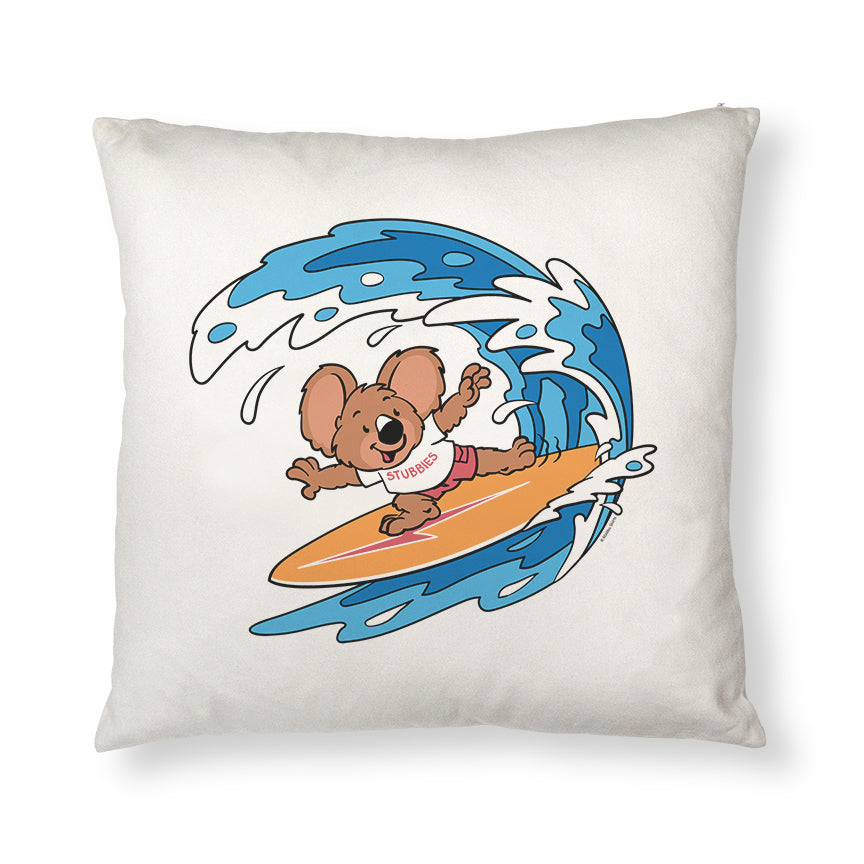
Originating in the 1920s in California and Hawaii, dog surfing has become a popular world-wide phenomenon, drawing in crowds eager to see dogs trained to surf on bodyboards and surfboards, either with a human or solo. On the Waves in Waikiki , a silent film released in the 1930s, showcases Phillip K. Auna and his terrier Night Hawk, who is able to hang ten while surfing with his owner. In the 1950s, a photograph of Joseph “Scooter Boy” Kaopuiki and Sandy, his dog, surfing in Hawaii was published in UPI and distributed throughout the United States. In 2006, at Imperial Beach in California, the first Loews Coronado Bay Resort Surf Dog Competition was held and, today, continues to be the largest dog surfing competition in the U.S. When competing in canine surfing competitions, dogs are judged based on board size, dog’s confidence, and wave length and size. Competitors are able to register their dog in categories ranging from single or tandem surfing to dog size. Hawaii offers a host of dog friendly beaches from the beloved Waikiki Beach in Honolulu to Kailua Beach located near a dog-friendly mall to Kalapaki Beach, home to the popular Freddie’s Dog Park.
Brands From Now And Then
- Choosing a selection results in a full page refresh.
- Opens in a new window.